


3D PRINTING ON DEMAND
On-Demand 3D Printing Services
Compare six professional additive manufacturing processes for visual prototypes, functional components, custom parts, and low-volume production.
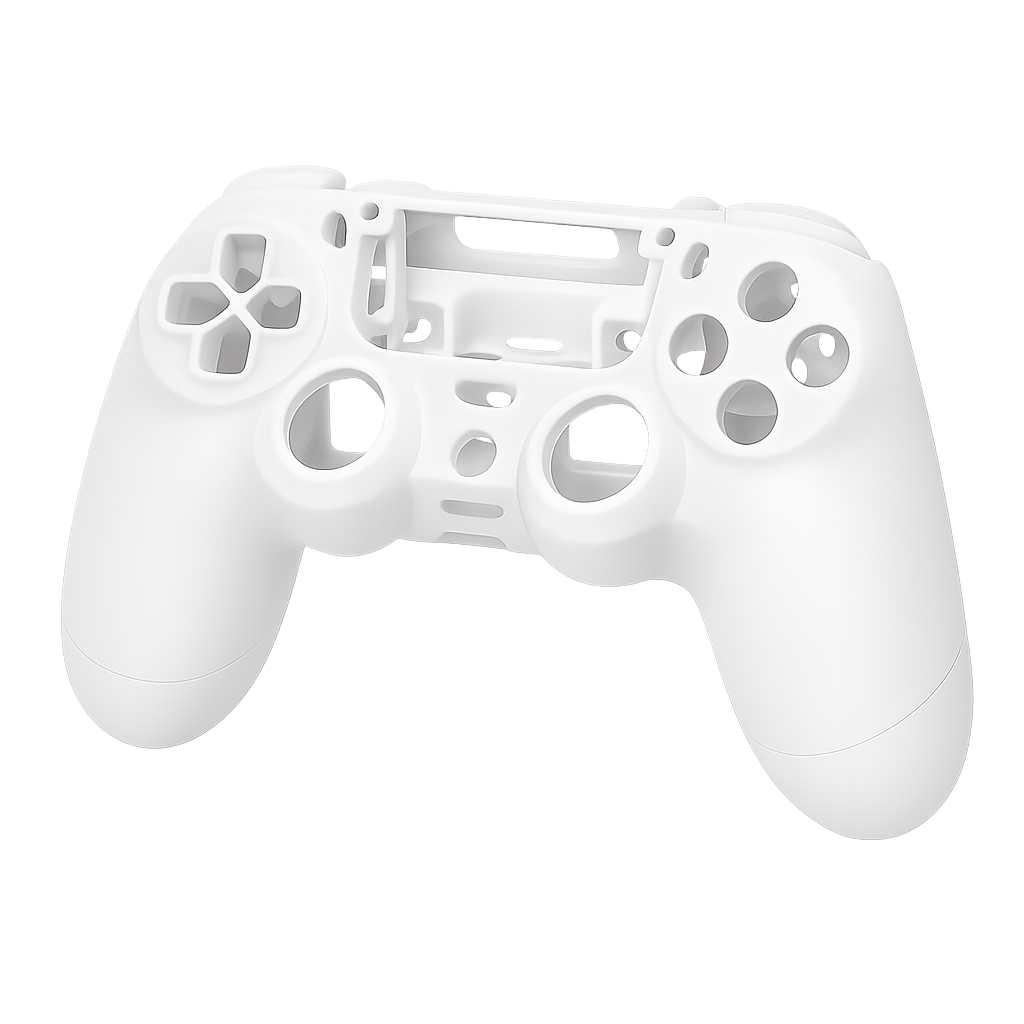
Resin 3D Printing
Stereolithography (SLA)
What it is: SLA uses a precision laser to cure liquid photopolymer resin into solid parts one layer at a time.
Best for: Visual prototypes, presentation models, master patterns, housings, and parts requiring fine details or smooth surfaces.
- 01 Fine details Produces small features, sharp edges, and complex surface geometry.
- 02 Smooth finish Reduces visible layer lines and supports high-quality painting.
- 03 Multiple resin options Available in standard, tough, clear, and heat-resistant materials.
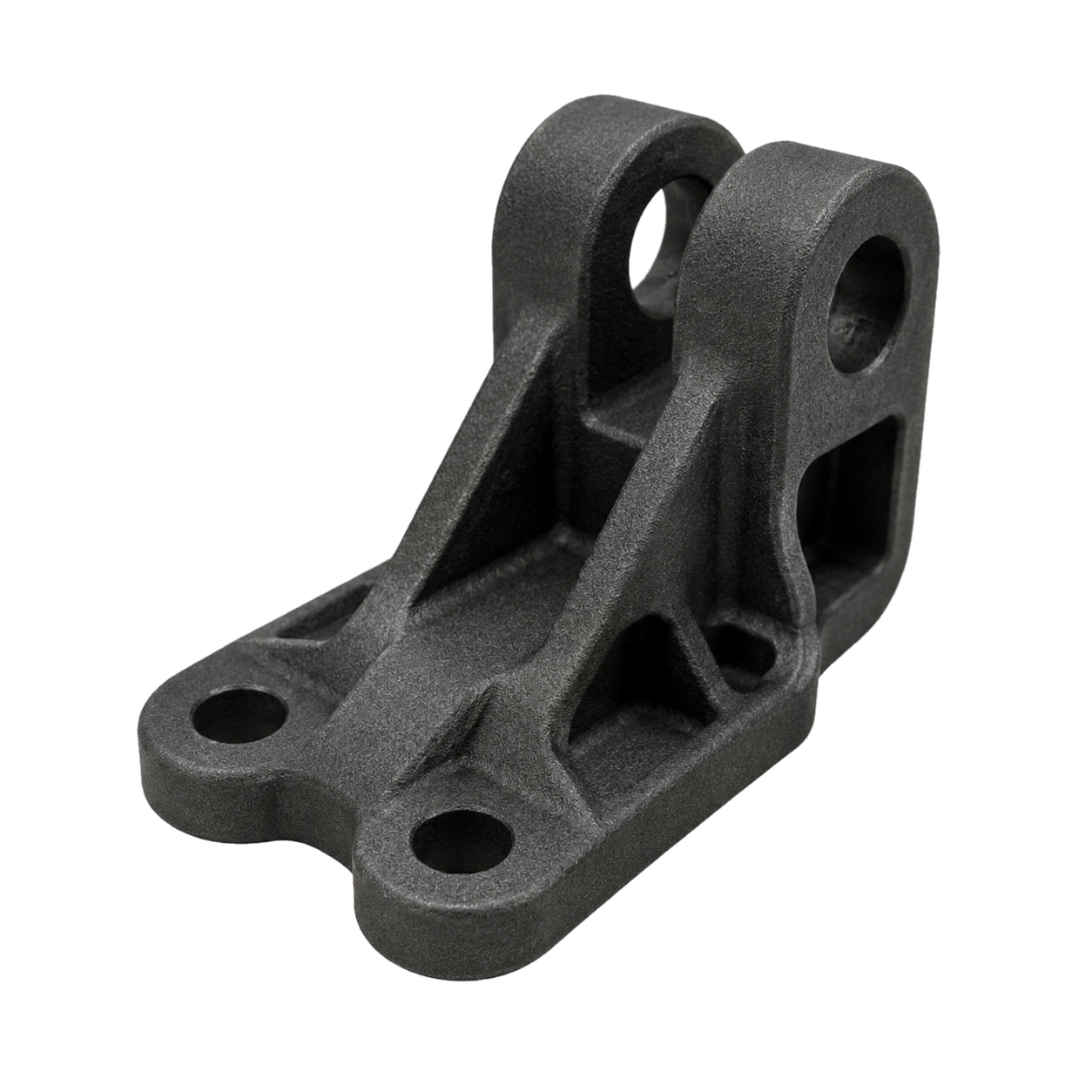
Nylon 3D Printing
Multi Jet Fusion (MJF)
What it is: MJF applies fusing and detailing agents to nylon powder and uses controlled heat to manufacture each complete layer.
Best for: Functional housings, clips, brackets, ducts, mechanical components, test parts, and repeatable low-volume production.
- 01 Functional strength Creates durable nylon parts for assembly and mechanical testing.
- 02 No support structures Powder supports complex internal and external geometry during printing.
- 03 Efficient batch production Multiple components can be nested within the same powder-bed build.
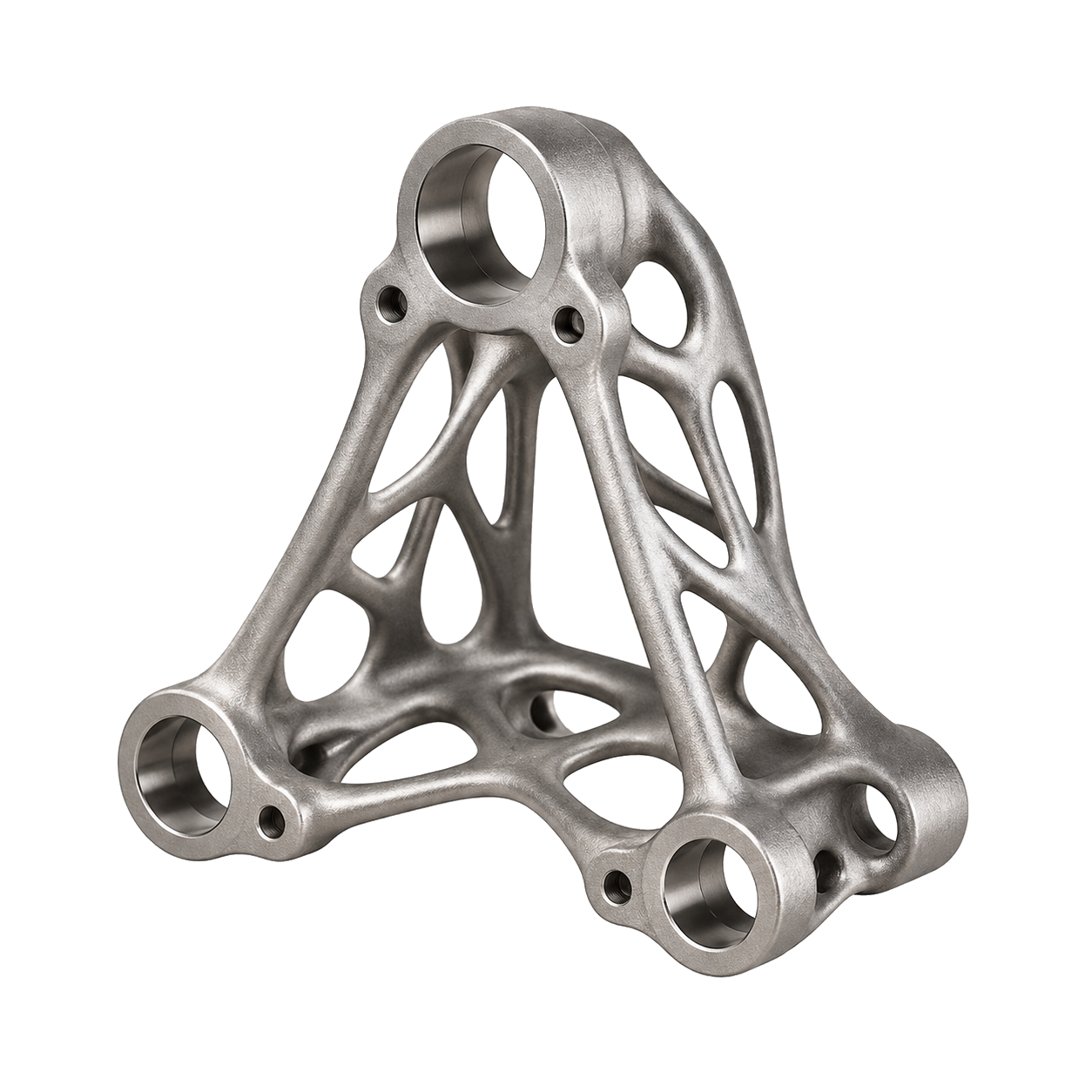
Metal 3D Printing
Selective Laser Melting (SLM)
What it is: SLM uses a high-power laser to fully melt metal powder and produce dense metal components directly from a digital 3D model.
Best for: Lightweight brackets, tooling inserts, heat exchangers, replacement parts, and performance-driven engineering components.
- 01 Complex metal geometry Produces internal channels, lattices, and shapes difficult to machine.
- 02 Dense metal parts Suitable for functional components requiring metallic properties.
- 03 Design optimization Supports lightweighting, part consolidation, and topology optimization.
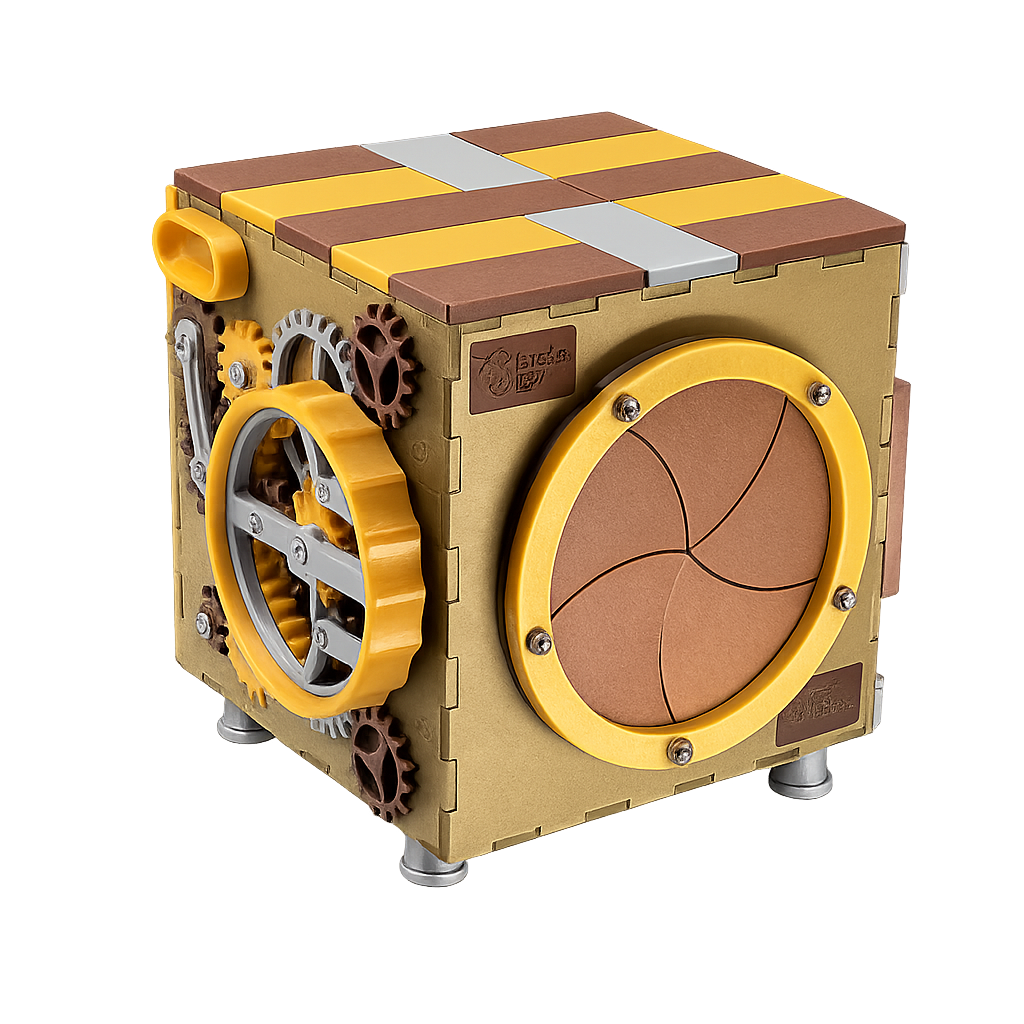
Thermoplastic 3D Printing
Fused Deposition Modeling (FDM)
What it is: FDM heats and extrudes thermoplastic material through a nozzle to build a component in successive layers.
Best for: Form-and-fit prototypes, jigs, fixtures, large housings, assembly checks, and cost-sensitive functional components.
- 01 Cost-effective production Suitable for fast design validation and economical custom parts.
- 02 Engineering plastics Supports PLA, PETG, ABS, ASA, PC, TPU, and reinforced materials.
- 03 Large-format capability Well suited to larger prototypes, covers, fixtures, and enclosures.
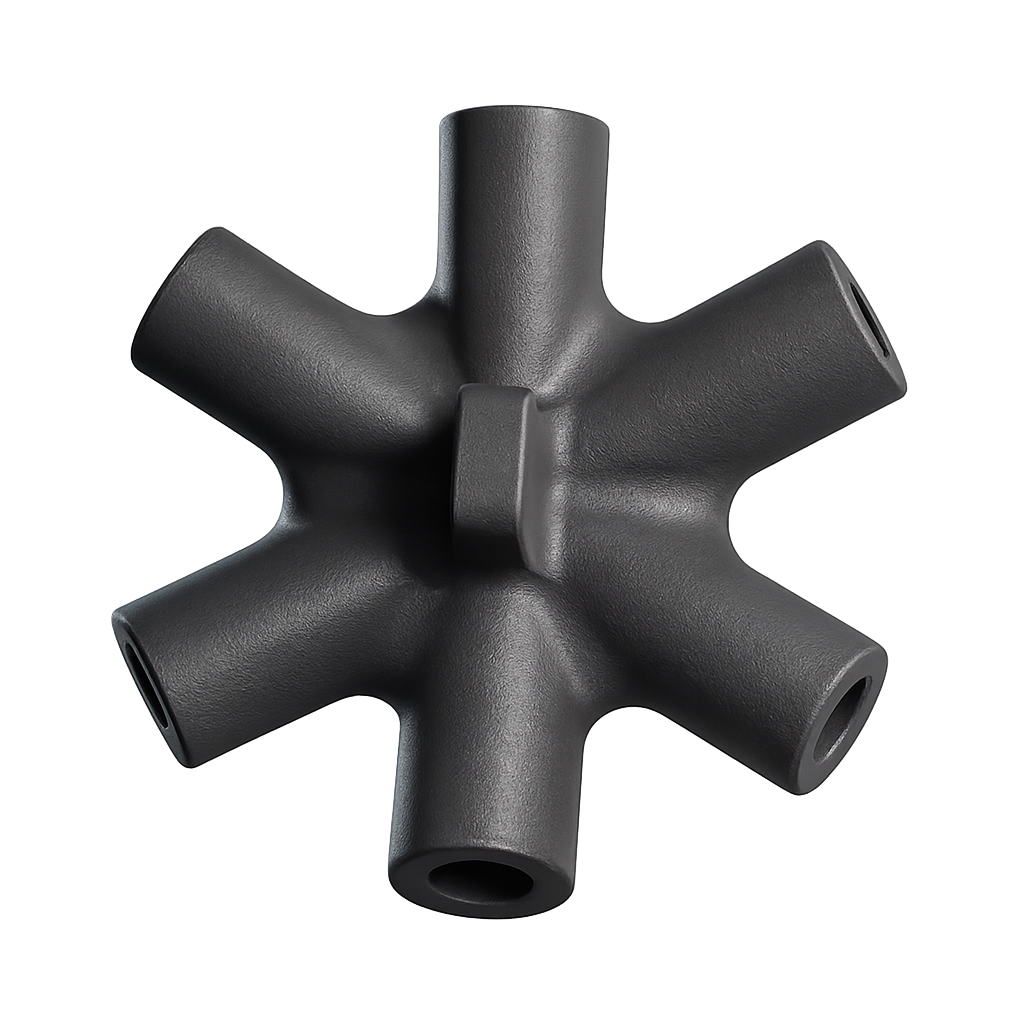
Powder-Bed Nylon Printing
Selective Laser Sintering (SLS)
What it is: SLS uses a laser to selectively fuse polymer powder into durable, support-free components layer by layer.
Best for: Functional prototypes, snap-fit parts, ducts, brackets, complex assemblies, moving mechanisms, and low-volume nylon production.
- 01 Support-free printing Enables internal channels, interlocking parts, and complex geometry.
- 02 Durable nylon materials Suitable for parts requiring toughness and functional performance.
- 03 Efficient nesting Multiple parts can be arranged throughout the powder-bed volume.
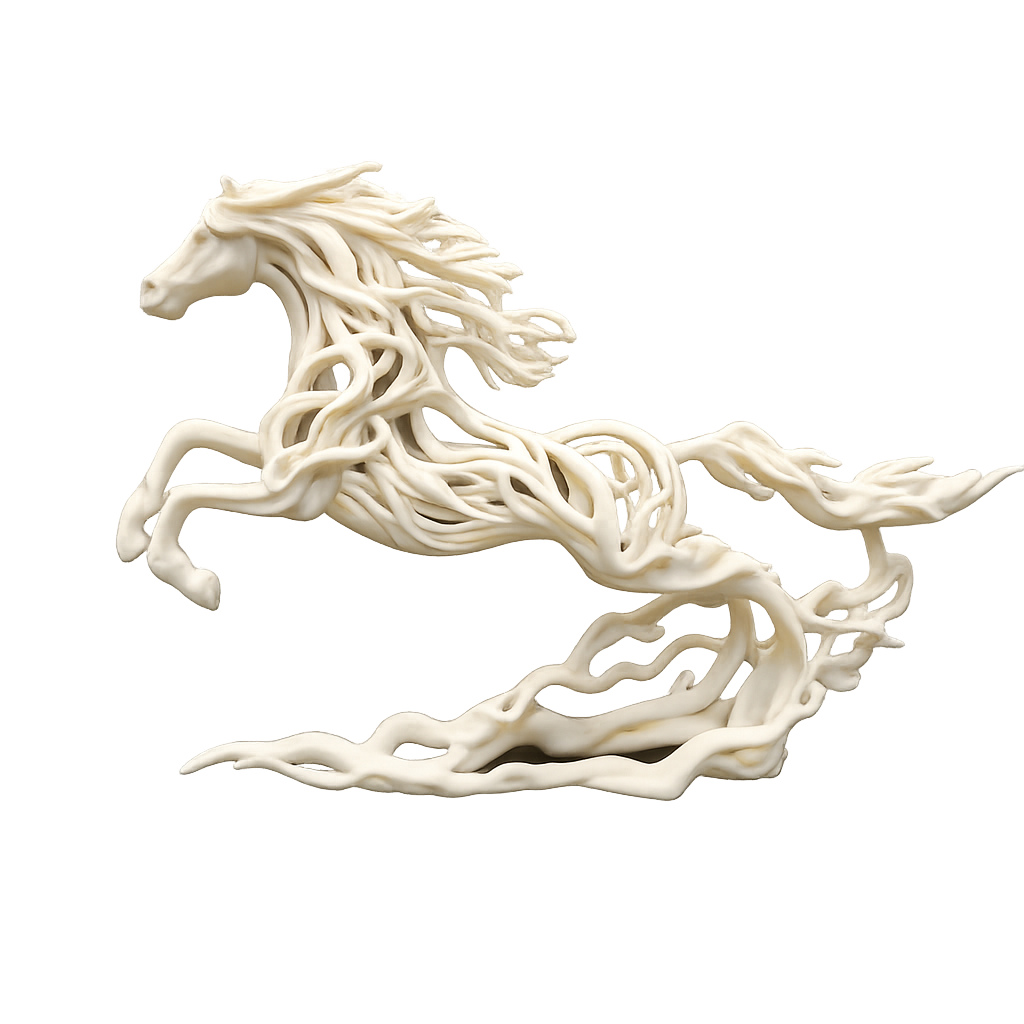
High-Detail Resin Printing
LCD Resin 3D Printing
What it is: LCD printing uses a masked ultraviolet light source to cure an entire layer of liquid resin simultaneously.
Best for: Miniatures, detailed visual models, figurines, compact product prototypes, and short runs of small resin components.
- 01 High XY detail Captures fine textures, thin features, and intricate surfaces.
- 02 Fast layer exposure Cures each complete layer instead of tracing every individual feature.
- 03 Small-part production Suitable for multiple compact parts within the same build area.
PROCESS SELECTION FAQ
3D Printing Service Questions
Practical answers for selecting a process, planning production, and estimating delivery time.
What is the best 3D printing process for prototypes?
SLA is usually preferred for smooth, detailed visual prototypes. FDM is suitable for economical form-and-fit testing, while MJF and SLS are better choices when a prototype must also function as a durable nylon component.
Which 3D printing process is suitable for functional parts?
MJF and SLS are commonly selected for durable nylon components. SLM is suitable when a dense metal part is required, while FDM engineering thermoplastics can be used for fixtures, housings, and larger functional components.
Can ChanHonTech provide low-volume production?
Yes. ChanHonTech can support one-off prototypes and low-volume production. MJF and SLS are especially efficient when multiple components can be nested within one powder-bed build.
Do you offer post-processing for 3D printed parts?
Yes. Available options can include sanding, polishing, painting, dyeing, tapping, threaded inserts, CNC finishing, bonding, and assembly. Available finishes depend on the printing process, material, geometry, and application.
How fast can I get 3D printed parts?
Simple SLA, LCD, or FDM parts may be completed in approximately one to five production days. Powder-bed nylon and metal projects generally require more time. The final schedule is confirmed after reviewing the 3D file, quantity, material, finishing, and shipping requirements.